
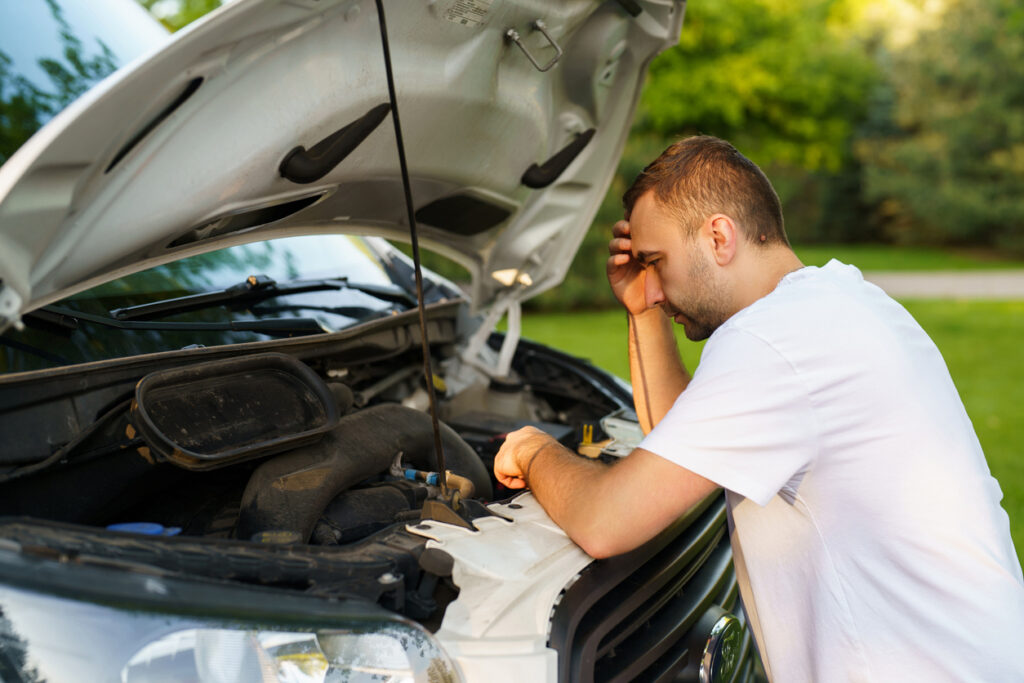
Summer temperatures can make your vehicle’s cooling system work harder than usual. Even a short drive around Minnesota on a hot afternoon puts more demand on components like the coolant, radiator fan, thermostat, and water pump.
That doesn’t always mean you’ll experience car overheating in summer. Even when the temperature gauge stays within its normal range, added heat can reveal small cooling system issues before they become more expensive repairs. Kennedy Transmission is here to go over those early warning signs to help you address minor problems before they affect your vehicle’s performance.
Why Summer Puts More Stress on Your Engine
Summer heat affects how efficiently your cooling system manages engine temperature. As outside temperatures rise, coolant has a harder time releasing heat through the radiator, making it more difficult to regulate engine temperature during everyday driving.
Heavy traffic, extended idling, towing, and long highway trips can all increase summer engine heat stress. These conditions leave your cooling system working continuously for longer periods, which can place additional strain on components that are already beginning to wear.
Why Your Car May Run Hot Without Overheating
A car running hot but not overheating can be easy to dismiss, especially if the warning light never comes on. Even so, a slightly higher operating temperature may be an early sign that one or more cooling system components are beginning to lose efficiency.
A thermostat that opens too slowly, a weak water pump, or aging coolant can all affect how efficiently your cooling system regulates engine temperature. Because these issues often develop gradually, a cooling system inspection can help identify them before they lead to more expensive repairs.
How To Cool Down an Engine During Hot Weather
If your temperature gauge starts climbing, don’t ignore it. Turn off the air conditioner, reduce your speed if traffic allows, and pull over when you can do so safely if the temperature continues to rise. Acting early can help reduce the risk of your engine overheating.
After the engine has cooled completely, check the coolant level if you’re comfortable doing so, and look underneath the vehicle for visible coolant leaks. If the temperature gauge continues to run higher than normal after these steps, don’t assume the problem will resolve on its own. Having your vehicle checked sooner can help prevent an unexpected roadside breakdown.
Don’t Ignore Small Cooling System Changes
Not every cooling system problem begins with an overheating engine. A gradual change in temperature, the cooling fan running more often than usual, or needing to add coolant more frequently can all point to a system that needs attention.
Staying current with coolant replacement service and recognizing warning signs your cooling system is failing helps your cooling system perform more consistently, even during Minnesota’s hottest days.
Keep Your Vehicle Ready for Summer With Kennedy Transmission
Summer driving puts your cooling system to the test, but routine maintenance can help your vehicle perform consistently throughout the season. A cooling system check before the hottest days arrive can reduce the risk of engine damage caused by overheating during daily commutes, weekend plans, or longer drives.
If your vehicle has been running warmer than usual, contact us online to schedule an appointment. Our team at Kennedy Transmission provides cooling system service in Minnesota and will inspect your cooling system, explain any concerns we find, and recommend the right next steps for your vehicle.