
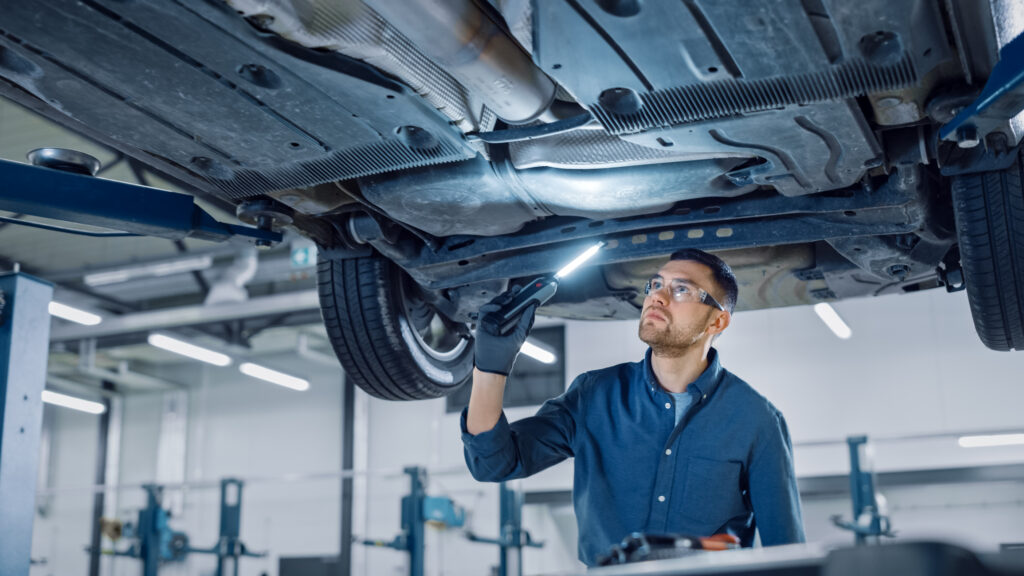
Should You Get Your Car Inspected Before Winter? Yes. Here’s What To Ask For
Minnesota winters can expose vehicle problems that are easy to miss during milder weather. Freezing temperatures put added demand on the battery, tires, fluids, belts, and visibility systems, making fall a good time to check their condition.
Before the first hard freeze, have these key areas checked for wear, fluid condition, battery strength, tire tread, and proper operation. Addressing any concerns early with Kennedy Transmission can help your vehicle enter winter better prepared for cold starts, snow, and icy roads.
What Should Be on Your Car Winterization Checklist?
A thorough pre-winter check should confirm that the battery can hold a charge, the cooling system has the proper antifreeze mixture, the tires have enough tread and correct pressure, belts and hoses are in good condition, and the wipers and defroster are working properly. Remember that car batteries have to work harder in the winter, and a car that worked just fine in the fall may not have enough strength to start in cold conditions.
Each of these areas can respond differently once temperatures drop. Checking them before winter helps identify weak components, incorrect fluid levels, or other concerns that may become more noticeable during cold-weather driving.
Battery and Charging System
Cold weather can expose a battery that is already losing strength, often through slow cranking or difficulty starting the engine. A pre-season car battery test often reveals problems with its condition, starting capacity, or terminal connections before colder temperatures make them more noticeable.
Our battery testing and services check the battery along with the alternator, starter, and charging system to help identify where a starting problem is coming from. That makes it easier to determine what actually needs attention instead of assuming the battery is always the cause.
Belts and Hoses
As rubber components age, they can weaken without causing obvious problems right away. Drive belts should be checked for cracks, fraying, glazing, or looseness, while cooling-system hoses should be inspected for bulges, soft spots, or leaks.
The serpentine belt deserves particular attention because it helps operate components such as the alternator and, on some vehicles, the water pump.
Antifreeze and Cooling System
Coolant needs the proper antifreeze concentration to resist freezing and regulate engine temperature. Our cooling system services check coolant level and condition, look for leaks, and verify that the mixture meets your vehicle manufacturer’s specifications.
Tires and Tread
Good winter traction depends on having enough tread and the correct tire pressure. Measure tire tread depth across each tire and inspect for cuts, bulges, or uneven wear that could affect performance on wet, snowy, or icy roads.
Uneven tread wear can also point to alignment or suspension concerns. Tires that are already close to their replacement limit may have less traction available once road conditions become more challenging.
Wipers, Washer Fluid, and Defroster
Snow, road spray, and frost can quickly reduce visibility if the windshield does not clear properly. Inspect each windshield wiper blade for cracks, splits, streaking, or skipping, and fill the washer reservoir with fluid rated for freezing temperatures.
Check the heater and front defroster to confirm that warm air reaches the windshield properly. If your vehicle has a rear-window defogger, test that as well so fog, frost, and moisture can be cleared when needed.
What Is the Best Time To Winterize Car Systems?
The best tip we can give for winter car prep in Minnesota is to schedule the inspection several weeks before the consistently freezing weather. That lead time matters because some findings may require a repair, replacement part, or follow-up diagnosis rather than a same-day fix.
September is often a practical window for Minnesota drivers, giving you time to complete any recommended work without having to fit everything into the first stretch of winter.
Get Your Car Ready for a Minnesota Winter With Kennedy Transmission
Maintenance concerns that seem minor in fall can become harder to ignore once freezing temperatures, snow, and ice arrive. Addressing them ahead of time can help your vehicle handle the demands of Minnesota winter driving.
Schedule your pre-winter inspection with Kennedy Transmission to identify issues that could affect your vehicle through the colder months and complete any needed service before winter is fully underway.