

Transmission repair can be a challenging time for nearly anyone. Even the most experienced drivers can feel out of their depth once warning lights appear or shifting starts to feel off. Whether you’ve never looked under your hood or you’ve spent weekends working on cars, it’s easy to get lost in the details.
That’s why Kennedy Transmission is here to cut through the confusion. Our goal is to help you understand everything you need to know about transmission maintenance and repair, from what signs to look for to how regular service can keep your vehicle running strong for years to come.
How Do I Know if I Need Transmission Repair?
It’s easy to confuse automotive issues, especially if you aren’t able to take a look underneath to investigate. The problem you’ll face will vary based on the type of transmission you have, but don’t worry—Kennedy Transmission has you covered. Check out our comprehensive guide on transmission types to learn about reliability, the importance of automatic transmission fluid change services, and which may be best for you.
If you have transmission trouble, you’ll notice it while your car shifts between gears. One common issue you may feel is delayed or rough shifting, and it’ll feel like a hesitation or a jerking motion during your gear changes. You may also experience gears slipping, meaning the connection between your engine and wheels weakens, and you lose power. These are the easiest ways to tell something’s wrong and the most surefire signs you should take your car in for an inspection.
Additional Transmission Trouble Indicators
Other indicators to monitor for include:
- Burning smells are often a sign of overheated or contaminated transmission fluid.
- Fluid leaks look like red or brown spots under your car.
- Strange noises can indicate internal wear or fluid problems, such as whining in automatic transmissions or clunking when shifting in manual transmissions.
If you notice any of these signs, changing transmission fluid may be the next step.
Transmission Fluid Change Costs and Caveats
One of the most common types of services we perform is a fluid change, but it’s also one of the most frequently ignored. Many manufacturers claim that their transmission fluid will last the lifetime of the vehicle, but more often than not, it’s simply untrue.
A healthy transmission can run on the same fluid for up to 100,000 miles, but once that fluid becomes dirty, clogged, or contaminated, internal components can begin to wear prematurely. Regular fluid changes are a simple way to prevent that damage before it starts and can significantly extend the life of your transmission.
CVT Fluid Replacement Timeline
This is especially important for continuously variable transmissions. These systems, which use a dense belt of steel bands to send power to your wheels, rely on a specialized fluid to operate correctly. While modern CVTs have become more reliable, fluid-related issues remain one of the most common failure points in these otherwise efficient transmissions.
That’s why, if your car has a continuously variable transmission, we recommend getting your CVT fluid changed every 30,000 to 60,000 miles. Doing this helps extend the unit’s life span and keeps it smooth and responsive over time.
Manual Transmission Clutch Replacement
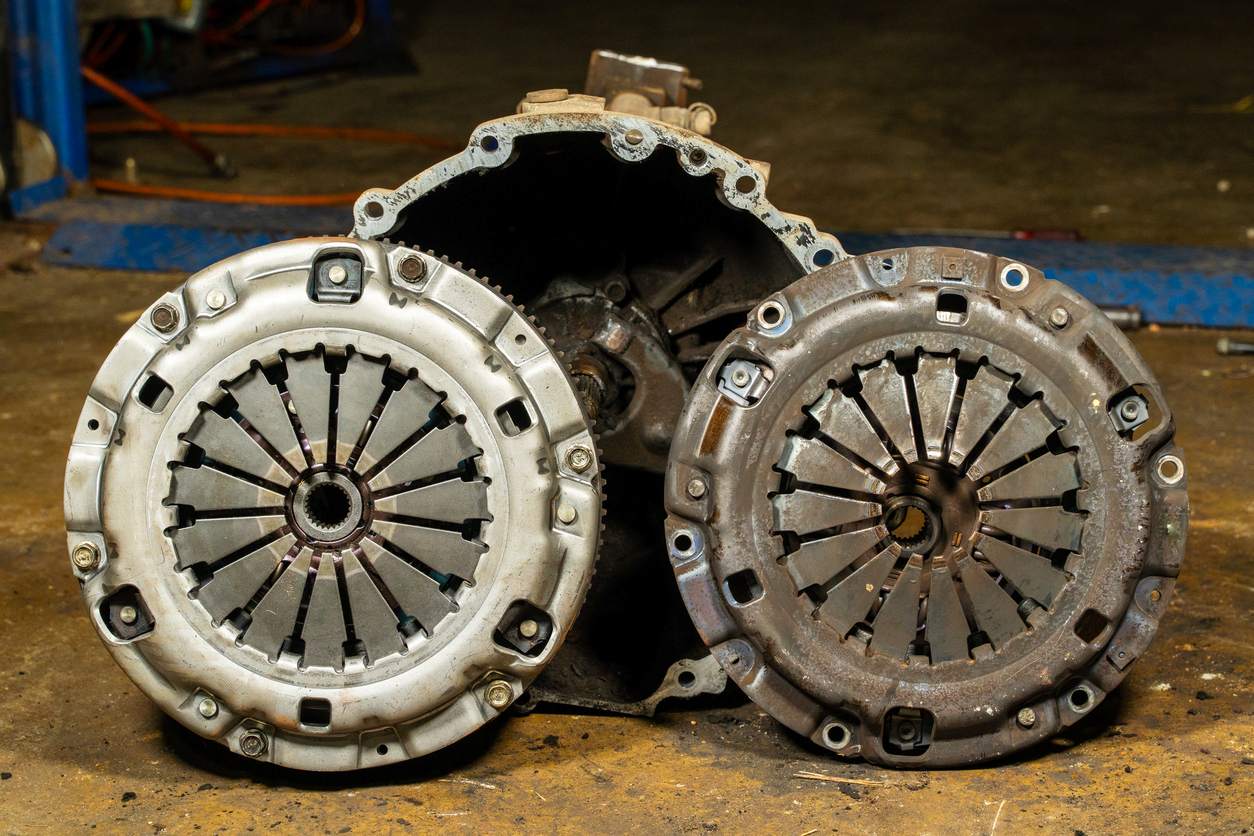
One of the greatest advantages of a manual transmission is durability. Manuals are rugged, reliable, and contain far fewer parts to break than other varieties. The first likely point to fail is the clutch, which uses friction to engage and disengage power to the wheels while shifting.
Fortunately, clutches are relatively affordable to replace. At Kennedy Transmission, we provide fast, efficient clutch replacement services for everything from compact sedans to large utility vehicles. Our technicians always make the process straightforward so you can get back to confident shifting with minimal downtime.
Do Manual Transmissions Need Fluid Changes?
Remember that manual transmissions require fluid, too. In manuals, we call the transmission fluid gear oil, and we advise a checkup or a possible transmission flush every 30,000 to 60,000 miles to prevent long-term wear caused by heat and friction.
This service also gives us a chance to check the transmission fluid for issues, looking for signs such as metal flakes or debris that can indicate larger issues beneath the surface. Catching these warning signs early can help prevent costly repairs down the road.
Why Is Professional Transmission Repair Necessary?
Rebuilding a transmission comes with a high barrier to entry. Even if you have the parts, manuals, and determination to tackle the job, several hidden costs can make the process more difficult than expected.
Here at Kennedy Transmission, we use specialized tools every day that most home garages don’t have. That includes step presses to safely compress springs, transmission jacks to maneuver the entire assembly, and manufacturer-specific tools that fit only specific makes and models. By bringing your vehicle to us, you save time and money while benefiting from precision work by trained experts.
Call Kennedy Transmission To Schedule Transmission Repair
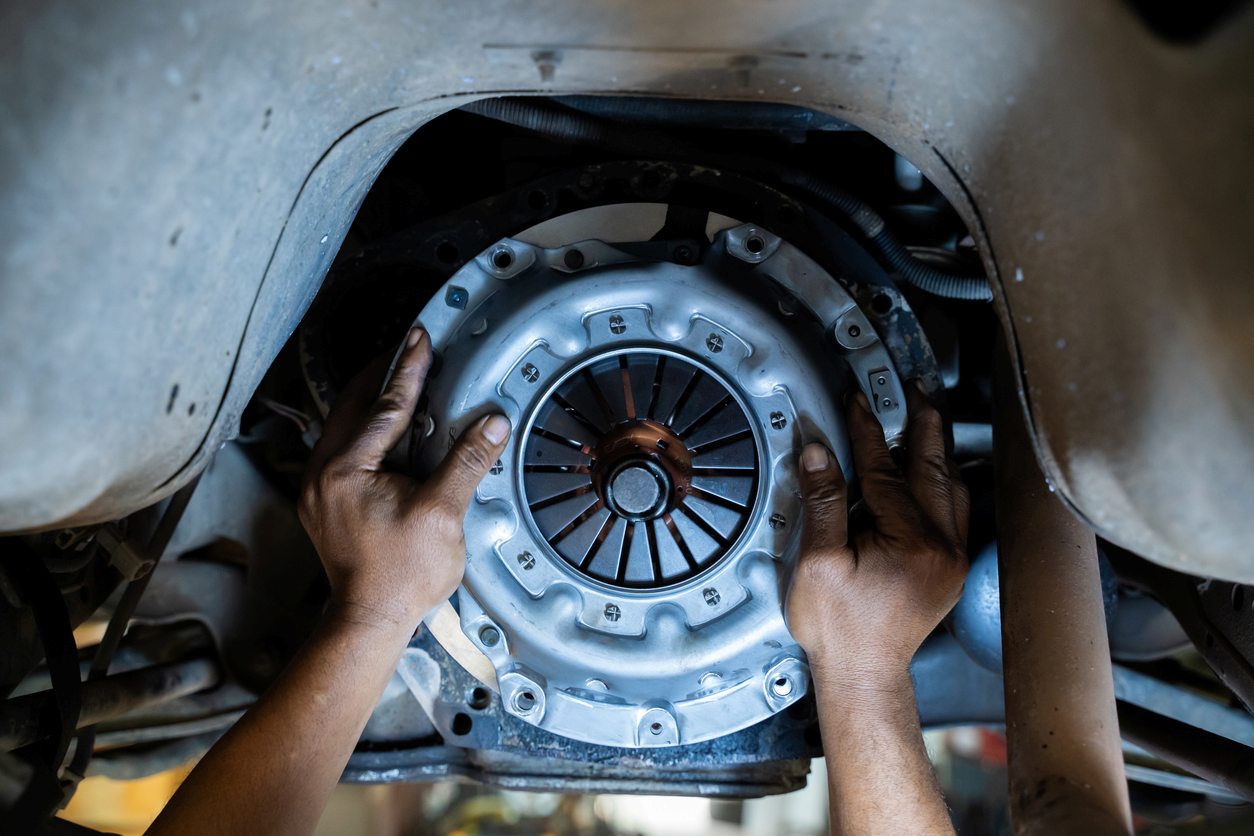
With more than 60 years of experience, Kennedy Transmission has seen nearly every make and model on the road. Our dependable ASE-certified technicians and advanced diagnostic equipment allow us to deliver consistent results that general auto shops may not be equipped to provide.
Contact Kennedy Transmission online today to schedule your transmission service, or visit a shop near you to keep your vehicle shifting smoothly. Our experience also means efficiency. We can save time during your service without cutting corners, helping you get back behind the wheel quickly and confidently.