

Minnesota winters are demanding on vehicles. Extended exposure to freezing temperatures, road salt, moisture, and rough driving conditions can gradually affect key systems. Once winter starts to fade, a thorough inspection helps identify wear that may not be obvious during colder months.
This post-winter vehicle inspection checklist is designed to help Minnesota drivers like you understand which areas of their vehicle deserve attention after winter and when professional service makes sense. From brakes and fluids to suspension and corrosion, Kennedy Transmission Brake & Auto Service outlines the areas that support reliable performance as spring arrives.
Why a Post-Winter Vehicle Inspection Matters
Cold weather impacts more than just starting your car in the morning. Months of winter driving can stress fluids, weaken batteries, reduce tire pressure, and contribute to corrosion underneath the vehicle.
Because prolonged exposure to freezing temperatures affects multiple systems at once, understanding how cold temperatures affect your car helps explain why a post-winter inspection is so important. Extended winter driving can thicken fluids, strain electrical components, and increase wear on moving parts long before issues become noticeable.
A detailed car inspection checklist after winter weather arrives helps identify developing issues early, before they lead to more involved repairs or unexpected breakdowns as driving conditions improve.
Brake System Inspection After Winter Driving
Winter driving puts constant strain on braking systems. Snow, slush, frequent stops, and slick road conditions can accelerate wear on brake pads, rotors, and related hardware throughout the season.
Common signs that brakes may need attention include grinding or squealing noises, vibrations when braking, a brake pedal that feels soft or less responsive, and pulling to one side when stopping.
Brake components that endure months of winter conditions are typically evaluated through professional brake service and repair, where our technicians look for uneven pad wear, rotor damage, and corrosion that can affect braking performance as road conditions improve.
Battery, Charging, and Starting Systems Check
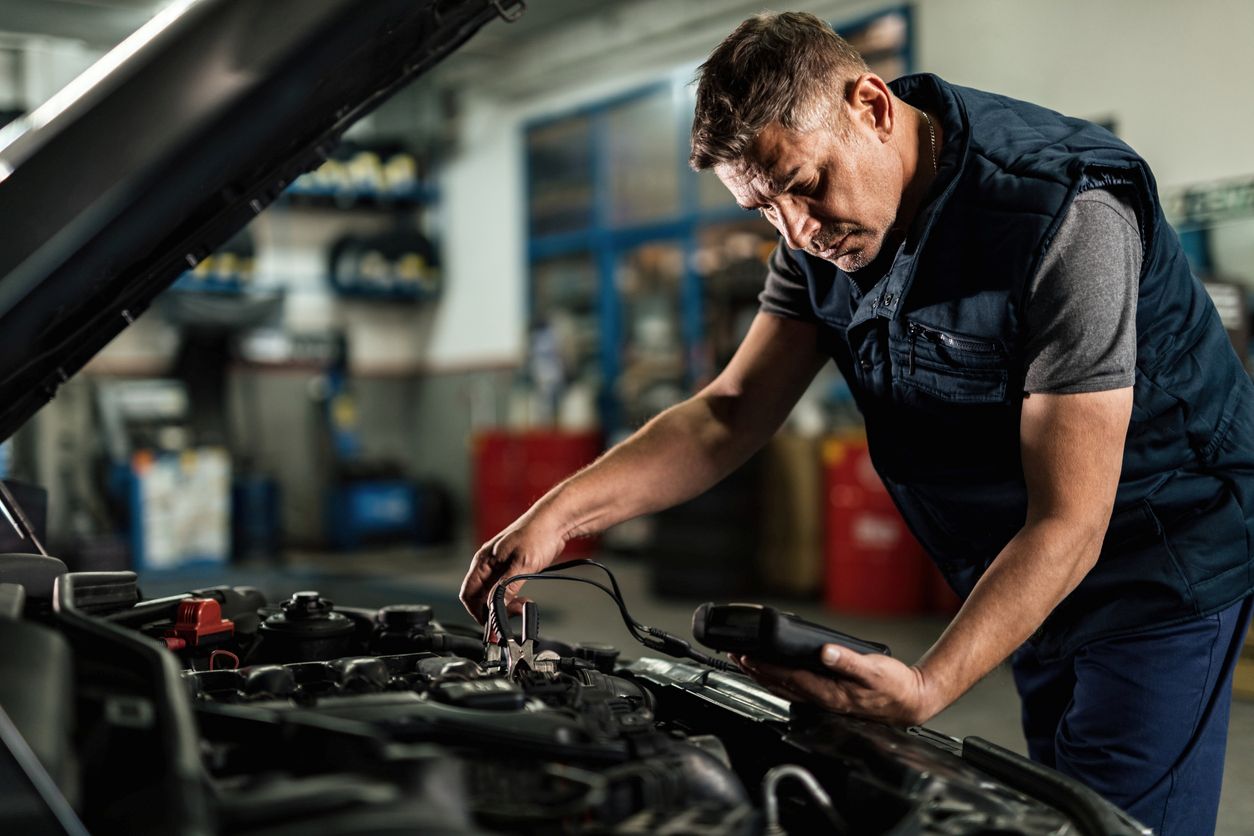
Cold temperatures put added stress on vehicle batteries and electrical systems. Even when a car continues starting throughout winter, repeated cold starts can shorten battery life and reveal weaknesses in charging or starting components.
Slow engine cranking, dim headlights, or dashboard warning lights often point to electrical strain caused by extended cold-weather use. These symptoms may indicate battery wear or issues with the alternator or starter.
To understand how winter conditions have affected electrical performance, technicians rely on our battery, charging, and starting systems inspections that evaluate battery output and assess how effectively key electrical components respond as temperatures rise.
Fluids and Filters That Need Attention
Winter driving conditions can affect the fluids that keep a vehicle running properly. Cold temperatures can thicken engine oil, while moisture and road salt may contaminate other fluids over time. These changes often go unnoticed until spring driving begins.
Because fluid condition plays such a critical role in overall performance, winter-related buildup and degradation are commonly identified through vehicle filter and fluid replacement services, where engine oil and filters, transmission fluid condition, brake fluid, coolant levels and concentration, and power steering fluid are carefully reviewed.
Dirty or degraded fluids can impact performance and contribute to added wear across multiple systems, making fluid checks an important part of any car maintenance checklist after winter.
Cooling System Inspection Before Warm Weather
Cold weather can be just as hard on a vehicle’s cooling system as summer heat. Freezing temperatures may weaken hoses, damage seals, or cause small leaks that go unnoticed during winter driving.
As warmer weather approaches, checking the cooling system helps identify issues before higher temperatures place additional strain on the engine. Cooling system service and repair inspections typically involve examining the radiator, hoses, thermostat, and coolant condition to identify wear that may affect temperature regulation as driving conditions change.
Common signs of cooling system concerns include coolant leaks under the vehicle, rising engine temperatures, or sweet odors coming from the engine bay.
Suspension and Steering Components To Check
Winter roads, potholes, and uneven surfaces can gradually wear down suspension and steering components. Repeated impacts from rough driving conditions may affect how the vehicle handles once winter driving subsides, especially when shocks, struts, and alignment-related parts have absorbed months of stress.
When these components begin to wear, issues are often identified during car suspension repairs and steering services evaluations that focus on parts directly connected to handling and steering response. Warning signs can include clunking noises over bumps, steering wheel vibration, uneven tire wear, or the vehicle drifting or pulling while driving.
Left unaddressed, suspension or steering wear can continue to influence vehicle control as road conditions improve, making post-winter inspections an important step before spring and summer driving.
Rust and Undercarriage Inspection

Road salt helps improve winter driving conditions, but it can also accelerate corrosion underneath the vehicle. Over time, exposure to salt, moisture, and debris will lead to rust forming around brake lines, exhaust components, and suspension parts, which are difficult to see during a routine walk-around inspection.
Because corrosion develops gradually, many drivers do not notice early warning signs until performance or safety is affected. This is why reviewing common car problems after a Minnesota winter helps to highlight rust-related issues, including weakened components and accelerated wear caused by prolonged winter exposure.
Checking the undercarriage after winter helps identify corrosion early, before it contributes to long-term structural concerns or impacts the reliability of surrounding systems as spring driving begins.
Schedule Your Post-Winter Inspection With Kennedy Transmission
After months of winter driving, some vehicle issues are not always easy to spot during a quick check. If performance feels different, warning lights appear, or new noises develop, a post-winter inspection can help identify concerns before warmer driving conditions put added strain on your vehicle.
At Kennedy Transmission, our team takes a closer look at the systems most affected by winter driving and explains what needs attention moving forward. Find the correct location and phone number on our contact page to schedule your post-winter inspection and make sure your vehicle is ready for the road ahead.